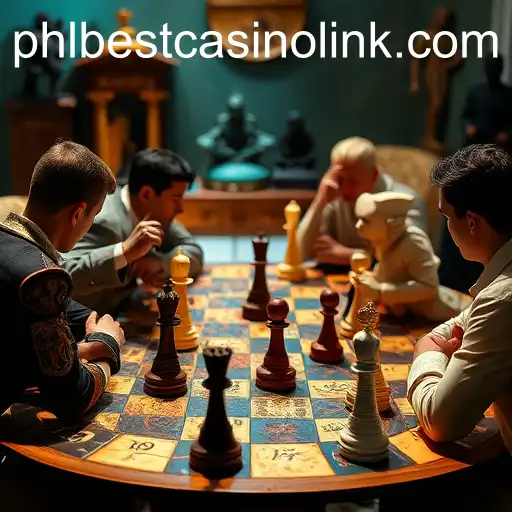
The Fascinating Realm of Tabletop Games
Tabletop games have been a cornerstone of indoor entertainment for centuries, evolving from ancient board games to complex strategic experiences that captivate diverse audiences across the globe. Whether it's a quiet evening game of chess or an intense session of Dungeons & Dragons, the allure of tabletop gaming lies in its unique blend of strategy, chance, and social interaction.
The Historical Roots of Tabletop Gaming
The history of tabletop games dates back thousands of years. Archaeologists have discovered remnants of ancient games, such as Senet in Egypt and Go in China, demonstrating that humans have always sought structured forms of play. These games were not merely pastimes but often reflected societal norms and were used as tools for educational purposes.
The Evolution into Modern Tabletop Games
Fast forward to the 20th century, when games like Monopoly and Scrabble became household names. Their popularity underscored a societal shift towards games that combined elements of chance and skill with economic strategy and linguistic dexterity. As we entered the digital age, traditional board games began to adapt, leading to the development of role-playing games (RPGs) like Dungeons & Dragons that immerse players in fictional worlds.
The Sociocultural Appeal of Tabletop Gaming
One of the most compelling aspects of tabletop games is their ability to bring people together. In an era where digital interaction often eclipses face-to-face communication, tabletop gaming fosters genuine human connections. Players gather around a table, sharing stories, strategizing, and forming bonds that often extend beyond the game board.
Tabletop Games as Educational Tools
Aside from providing entertainment, tabletop games serve educational purposes. Strategy games like Chess enhance cognitive skills and problem-solving abilities. Educational board games that focus on history, science, and even economics offer a fun way for people to learn new concepts and ideas.
The 'Phlbest Casino Link': A Digital Twist
In recent years, the integration of digital elements into tabletop gaming has given rise to innovative trends. One such development is the 'phlbest casino link', a term that denotes a bridge between traditional gaming and online casino experiences. This phenomenon enables players to enjoy classic casino games within the framework of a tabletop setting, blending the tactile satisfaction of physical gameplay with the dynamic elements of digital gaming.
How 'Phlbest Casino Link' Enhances Tabletop Gaming
The 'phlbest casino link' introduces digital enhancements that traditional tabletop games may lack, such as instant access to a broader range of games and the ability to incorporate modern technologies like augmented reality. This fusion of styles caters to a new generation of players who seek both the nostalgia of physical games and the excitement of digital interactions.
The Future of Tabletop Gaming
As technology continues to evolve, the scope of tabletop games will undoubtedly expand. Innovations such as virtual reality (VR) and augmented reality (AR) promise to further blur the lines between the digital and physical gaming worlds, creating immersive experiences that were once the stuff of science fiction.
Challenges and Opportunities
Despite these advancements, the industry faces challenges. Maintaining the balance between traditional gaming elements and modern innovations requires careful consideration to preserve the essence that makes tabletop games special: the tangible interaction and the shared human experience. However, these hurdles present opportunities for developers to create new games that keep the core principles of tabletop gaming alive.
Conclusion
Tabletop games continue to enchant and engage enthusiasts worldwide. The introduction of digital trends like the 'phlbest casino link' promises a future where traditional and modern gaming coexist harmoniously, offering players endless possibilities for adventure, strategy, and learning within a uniquely social context.